

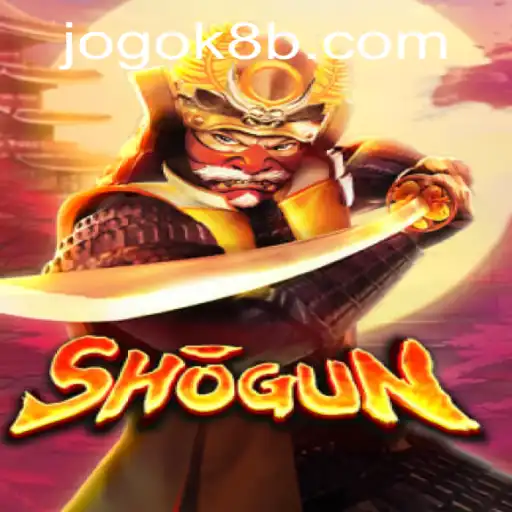
A comprehensive overview of the game 'Shogun', highlighting its gameplay, rules, and current relevance.
Shogun: A Strategic Historical Journey
In the realm of strategy board games, few titles stand as tall and intriguing as 'Shogun'. This game transports players to feudal Japan, offering a rich tapestry of strategy, warfare, and diplomacy. As players immerse themselves in the role of a powerful daimyo, the objective is clear—control the land and become the ultimate shogun.
Introduction to Shogun
'Shogun' captures the intricate dynamics of Japan during the Sengoku Jidai period. The game's development was influenced by the need to balance historical accuracy with engaging gameplay mechanics. As a game designed for multiple players, 'Shogun' emphasizes both tactical acumen and alliance-building, requiring participants to continually adapt to shifting strategies and player decisions.
Game Components and Setup
The board represents the map of Japan, divided into several provinces. Players begin by choosing their daimyo, each with unique strengths and abilities, enhancing the replayability of the game. The initial setup involves distributing armies, fortifications, and assigning secret objectives, all of which contribute to a dynamic gameplay experience. Cards representing different strategies or special actions are also integral to the game, allowing players to execute surprise moves against rivals.
Understanding the Rules and Mechanics
At its core, Shogun's mechanics revolve around territory control, resource management, and military conquest. Each turn, players must decide how to allocate resources for recruiting troops, constructing buildings, or launching attacks. The game employs a unique battle system where outcomes are decided not just by numbers but through strategic planning and resource allocation.
A significant aspect of the gameplay is the use of hidden agendas and objectives. Players must not only focus on achieving overt victories but must also secretly advance their personal objectives, adding layers of complexity and intrigue to the game. Diplomacy plays a crucial role, as alliances can shift the balance of power, but trust is a fleeting commodity when everyone aims to be the shogun.
The Role of Cultural and Historical Context
'Shogun' not only provides players with an immersive gaming experience but also serves as a cultural journey through Japanese history. The designers have ensured that elements of history are respected, infusing the game with authentic portrayals of Japanese traditions and practices. Yet, these historical contexts are intertwined with the need for strategic acumen, making each game session riveting and educational.
Current Trends and Gaming Landscape
As board games continue to experience a renaissance in the digital age, 'Shogun' has adeptly maintained its relevance. The rise of online platforms has enabled fans of 'Shogun' to bring their passion for historical strategy to the virtual realm. Additionally, discussions surrounding the game often appear in various online forums and gaming communities, showcasing the game's enduring appeal and the vibrant community that supports it.
Given its profound depth, 'Shogun' frequently appears in competitive board gaming circles, where strategies are dissected and optimized. The advent of online resources and tutorials has made the game more accessible to newcomers, encouraging a broader audience to explore its complexities.
Integrating Technology and Community Engagement
The digital shift in board gaming has also introduced interactive tutorials and community-driven content that enhances the learning curve for new players. Such content is not only engaging but also encourages collective storytelling, bringing the feudal narrative of 'Shogun' to life in new and imaginative ways.
Community engagement doesn't stop at gameplay; many dedicated players host events, whether online or in traditional settings, where enthusiasts can gather to indulge in their shared love for strategic conquest. These events further weave the connections between players worldwide, fostering a sense of camaraderie and competition.
Popular Competitions and Strategic Mastery
In the competitive landscape, mastery of 'Shogun' is showcased in tournaments where players vie for the top spot by showcasing their strategic prowess. These competitions often highlight the depth of thought and foresight required to excel, offering a thrilling spectacle for both players and spectators alike.
Future Prospects for 'Shogun'
The future of 'Shogun' is bright, with continued interest from both traditional board game enthusiasts and the growing demographic of online players. Potential updates or expansions could further enrich the gameplay experience, infusing new challenges and narratives into an already detailed world.
Furthermore, applications and digital editions of 'Shogun' can offer an interactive companion to the physical game, utilizing technology to attract modern audiences without losing the essence of the strategic rivalry that defines 'Shogun'. Integrating augmented reality or virtual reality elements could also enhance the immersive experience, allowing players to engage more deeply with the game's historical setting.

0 Comments